Table of contents
Skip the obvious attractions, and a city can suddenly feel brand-new. As overtourism pushes destinations to cap visitor numbers, and travelers chase “authenticity” with mixed results, local activities have become the quiet differentiator between a checklist trip and a lived experience. From community-run workshops to seasonal food rituals, these moments often cost less than major sights, yet they deliver something harder to buy: context. The payoff is practical too, because local experiences can reshape your routes, your timing, and even the way you spend.
Why the best memories aren’t on maps
Ask people what they remember most, and it’s rarely the monument they queued for at 9 a.m. It’s the night market where a vendor explained a dish, the backyard table where strangers became hosts, the small hike recommended by someone who lives there, and those “unplanned” hours that suddenly framed the whole trip. Travel researchers have long had language for this; in tourism studies it’s often described as the difference between passive sightseeing and experiential travel, and in plain terms it means you stop being a spectator and start being present. The striking part is how quickly a local activity can change your perception of a place, because it adds human scale to what otherwise reads as scenery.
It also works like a shortcut to understanding. A cooking class teaches geography through ingredients, a craft workshop explains history through technique, and a neighborhood walk reveals how people actually move, shop, and spend time. Even when the activity is small, the information density is high, and it makes the rest of the trip more legible; you notice patterns, you recognize names on menus, you understand why a building looks the way it does. For travelers who feel they “did everything” yet learned little, this is often the missing piece.
There is a second effect, less romantic and more logistical: local activities can fix the rhythm of a trip. They pull you out of peak-hour crowds, shift visits to off-peak times, and often redistribute spending beyond the city center. That matters in 2026, when many destinations are experimenting with visitor management, timed entries, and stricter rules in historic cores, and when travelers themselves are more sensitive to cost. A hands-on workshop in the late afternoon can replace an expensive guided tour, and a community event can deliver better stories than a premium “VIP” package. Done well, local experiences do not compete with major sights; they make them land.
Food, craft, music: the fastest way in
Want immediate access to a culture? Follow what people do after work. Food traditions, craft practices, and live music are the quickest portals, because they are social by nature, and they’re often tied to seasons, family calendars, and local economies. The key is to look for formats where locals participate alongside visitors, rather than performances designed only for outsiders. A market tour that ends with a communal meal, a bread-making morning at a small bakery, or a music night in a venue that programs local artists year-round, these aren’t just “cute experiences”; they are living infrastructure.
Food is the obvious entry point, but the best culinary activities go beyond tasting. Look for experiences that teach you how locals buy and cook: which ingredients are prized, which are cheap, what is considered festive, what is everyday. Travelers who do this early tend to spend smarter for the rest of the trip, because they learn what is worth paying for and what is inflated for tourists. You also gain confidence ordering, and you stop defaulting to international menus, which makes the destination feel less like a backdrop and more like a place with its own logic.
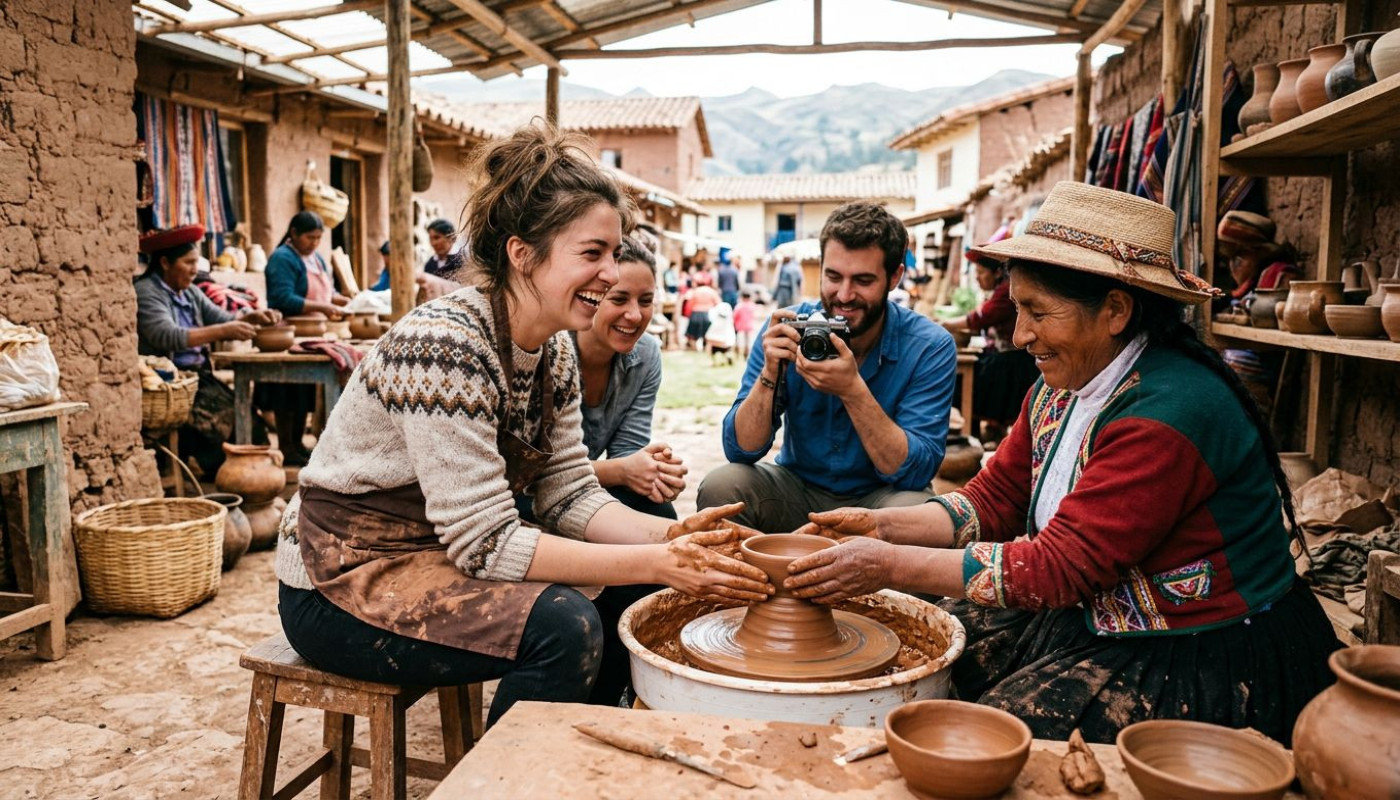
Craft is underrated, yet it often carries more history than any museum label can fit. A workshop with a textile maker, a pottery studio, or a woodcarver reveals technique and lineage, and it also shows modern constraints: sourcing materials, keeping apprentices, surviving rent hikes, and competing with cheap imports. When you understand that, souvenir shopping changes too, because you start recognizing quality, and you’re less likely to buy mass-produced “local” goods. Music and dance, meanwhile, can compress a lot of identity into an evening; rhythms, lyrics, and instruments often trace migration, language, and regional pride. If you’re planning a destination where culture is deeply tied to heritage, scheduling one thoughtful activity around food, one around making, and one around sound can do more for your trip than adding three extra landmarks.
Small-group experiences that feel real
“Authentic” is a loaded word, so here’s a cleaner test: does the activity create genuine interaction? The most transformative local experiences tend to be small-group by design, not by marketing. They leave room for conversation, they adapt to the day, and they let the host bring personal knowledge rather than reciting a script. You can often spot them in the details: flexible start times, a route shaped by what’s in season, a host who can explain not only what you’re seeing but why it matters to residents, and a pace that doesn’t feel like a conveyor belt.
Done right, small-group activities also protect what visitors say they want to preserve. Large groups concentrate pressure in the same streets, the same cafés, the same photo spots, and they can tip neighborhoods from lived-in to staged. Smaller formats, especially when they rotate locations or include lesser-known districts, spread impact and reduce friction with locals. There’s a business angle too: community-led activities keep more money in the local economy, and when hosts are paid fairly, they can keep doing the work, whether that’s maintaining a craft, running a family farm, or guiding responsibly in natural areas.
For travelers, the benefits are practical. You get better information, because you can ask questions, and you get better safety, because hosts know local norms and risks. You also get the kind of recommendation algorithms can’t replicate: where to go tomorrow morning, which restaurant is worth waiting for, what to avoid on a holiday, and how to read a menu or a transit map like a resident. If you want a concrete way to plan this, use one curated platform or local operator that specializes in the destination and can connect you with hosts across themes, and in Armenia, for example, travelers often start by browsing https://www.armenia-spirit.com/ for guided experiences that go beyond standard itineraries. The point is not the brand; it’s the method: curated, local, small-group, and rooted in the place.
Turning a good trip into a great one
How do you make it work, without overplanning? The trick is to treat local activities as anchors, not add-ons. Pick one early in the trip, ideally within the first 48 hours, so it can recalibrate everything that follows. Then choose a second activity that takes you out of the main tourist zone, and if you have time, add a third that is seasonal or time-specific: harvest-related, a festival, a weekly market, a sports match, or a cultural evening. This structure keeps your itinerary flexible while ensuring you don’t end up doing only the obvious.
Timing matters. Many of the best local moments happen at “inconvenient” hours, early mornings for markets and bakeries, late afternoons for workshops, evenings for music, and weekends for community events. This is a feature, not a bug; it lets you visit major sights when they are quieter, and it prevents the mid-day slump where travelers drift into souvenir streets and overpriced cafés. Budget-wise, local activities can be a relief, because they are often priced below private tours, and they include something tangible: a meal, materials, transport, or a finished object. They can also help you avoid costly mistakes, like paying premium prices for average restaurants or booking redundant excursions.
Finally, think about what you’ll bring back that isn’t a purchase. A skill, a story, a new route across the city, a phrase that unlocked a conversation, these are the souvenirs that actually last. Local experiences deliver that because they create stakes: you participate, you try, you fail a little, you learn, and you connect. And when something goes slightly off-script, a delayed bus, a sudden rain, a missing ingredient, you’re no longer just a consumer demanding perfection; you’re part of the day. That shift, from extraction to exchange, is often the moment a destination stops being a “trip” and becomes a memory with depth.
Practical booking, costs, and smart timing
Reserve early for small groups, especially in high season, and keep one flexible slot for last-minute recommendations once you arrive. Set a realistic budget per experience, factoring in what’s included, because a workshop with materials or a market-to-table meal can replace other spending. Check local or national tourism sites for seasonal events and occasional subsidies, and always confirm meeting points, cancellation terms, and language options before paying.
Similar
How Local Festivals Shape Unforgettable Travel Experiences
How Unexpected Travel Mishaps Become Life-changing Advice
Can Slow Travel Transform Your Relationship With Destinations?

Steps To Acquire A Social Security Number For Expats In Portugal

Beautiful Hiking in Palawan

Here Are Three Places You Must Visit in Latin America

Here's Where You Can Visit in England

The Best Legendary Monuments in the United States
