Table of contents
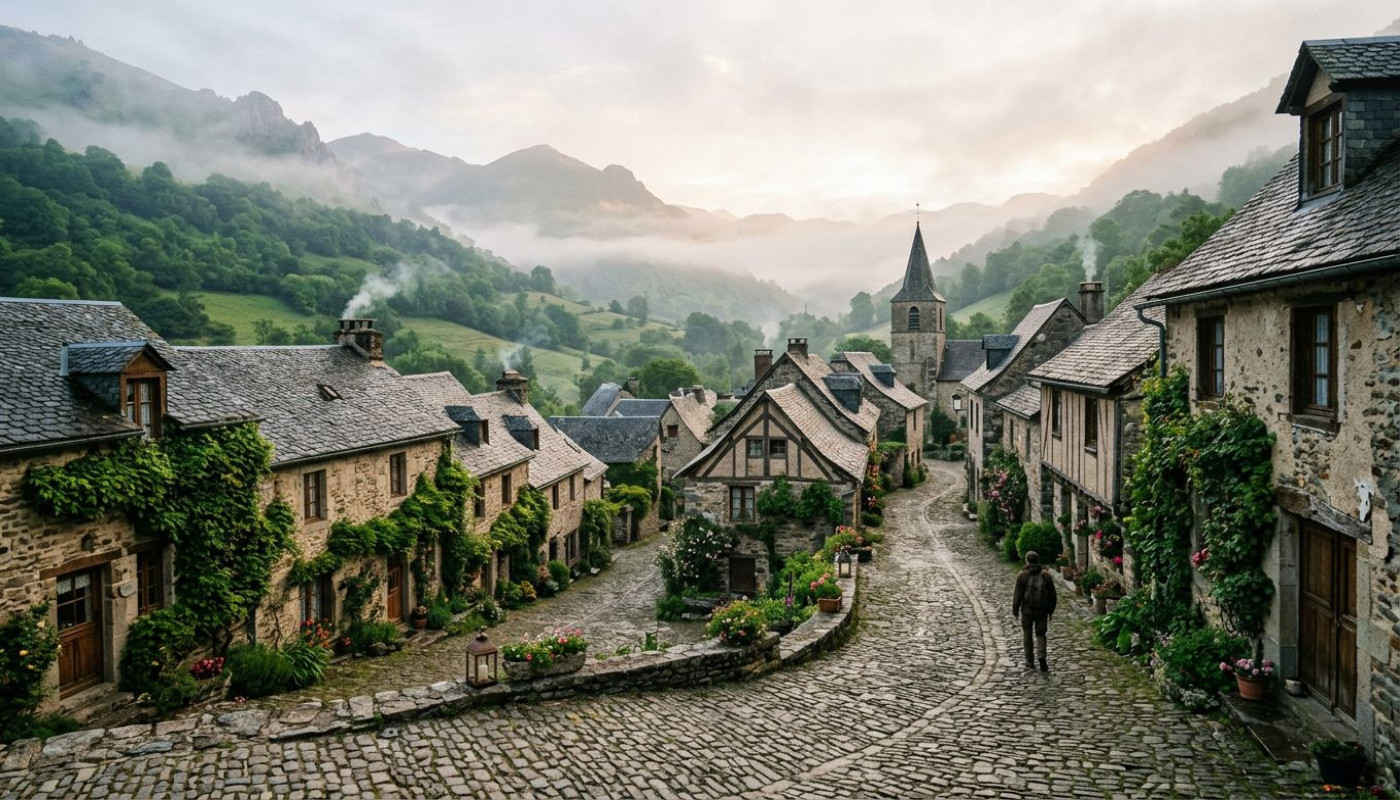
Europe’s tourism map is being redrawn in real time, not by glossy campaigns but by quieter forces: overcrowded capitals, new rail links, and local policies that push visitors beyond the usual hotspots. From Venice’s pilot entry fee to Amsterdam’s drive to curb “nuisance tourism”, the message is consistent, and travelers are responding. The result is a new hierarchy of “hidden towns” where demand rises fast, prices follow, and the experience feels, at least for now, more human than manic.
Overtourism pushes travelers off the mainstage
It used to be a familiar pattern: first-time visitors did Paris, Rome, Barcelona, and Prague, and repeat visitors tried to “go deeper” if time allowed. Now, the shift is happening earlier, and it is being accelerated by constraints rather than curiosity alone. Europe’s best-known cities are openly managing demand, and the measures are no longer symbolic. Venice has introduced a day-tripper fee on peak dates, a world-famous signal that even iconic places are starting to price access and reshape flows, while Amsterdam has been explicit about discouraging certain visitor segments and limiting the infrastructure that serves them, and elsewhere the same logic appears through caps on short-term rentals, stricter cruise rules, and pressure on public space.
The numbers explain why. Europe remains the largest global tourism region by international arrivals, and the density of visits is extreme in a small set of urban cores, especially during summer peaks. The cost-of-living crunch has also changed behavior: when accommodation in headline cities jumps, travelers respond quickly by hunting for secondary bases within reach by rail, bus, or short drives, and those places are often towns that were previously “stopovers”, not destinations. Add the social media feedback loop, where one striking reel can elevate a low-profile square or lakeside promenade overnight, and demand spreads faster than local capacity can adapt. A town does not need a new museum to surge; it needs a credible story, photogenic streets, and just enough beds to make the first wave possible.
What follows is a subtler, more competitive travel market, where value is no longer measured only by price, and where the ability to offer calm, authenticity, and easy logistics becomes a product in itself. The irony is that “hidden” is now a temporary status. Once a town hits a tipping point, the crowds arrive, and the town must choose between repeating the mistakes of the magnets or managing the boom early, and that choice increasingly shapes Europe’s travel map.
Rail timetables make small towns plausible
A decade ago, many lesser-known towns were “nice in theory” and awkward in practice, because the last mile took time, transfers were confusing, and travelers defaulted to big-city bases with predictable connections. That calculus has changed as rail networks become easier to use, and as ticketing, real-time updates, and cross-border planning tools reduce friction. High-speed lines have compressed distances between major hubs, but their real impact is often felt one step away, in the regional stops that suddenly sit within a comfortable 40 or 60 minutes of a capital or a famous coast, and therefore become credible as an overnight alternative.
The shift is visible across the continent. In Spain, France, Italy, and Germany, regional services tied into high-speed corridors allow travelers to sleep outside the center, pay less, and still “commute” into the headline sights, and the same pattern is strengthening in Central Europe where intercity links are steadily improving. Night trains, still niche compared with flying, are also reshaping perceptions: they turn distance into downtime, and they make it easier to justify itineraries that string together smaller places without returning to a single megacity hub. When the transport becomes legible, the town becomes bookable, and when the town becomes bookable, it can compete on character rather than convenience alone.
This matters because the most sought-after “hidden towns” are rarely isolated. They tend to sit on a seam: a river crossing, a wine route, a mountain valley, or a border corridor, places that historically thrived on movement but were later bypassed by mass tourism’s obsession with capitals and resort strips. Today, that bypass can look like a blessing, and rail is the mechanism that reintroduces them to the mainstream without turning them into theme parks. Travelers can build trips that feel spontaneous yet efficient, and that combination, ease plus novelty, is precisely what makes these towns keep rewriting the map.
Prices rise, but the value story changes
There is a romantic narrative around “hidden towns” as inherently cheaper, but the market is moving too quickly for that to remain true in many places. Once demand concentrates, accommodation rates respond, and they respond fast because supply in historic centers is limited, and new construction is often restricted. In the most photogenic small towns, the stock of quality rooms can be surprisingly thin, and that scarcity creates a premium, particularly on weekends and during festival seasons. The pattern is familiar from bigger cities, but in smaller places it is felt more sharply because a handful of fully booked properties can tip the entire market.
Yet value is not only the nightly rate. Travelers increasingly judge the “all-in” experience: time saved avoiding queues, meals that still feel local rather than engineered for tour buses, and the sense of space that big magnets can no longer offer at peak hours. A town with fewer headline sights can still deliver a better trip if the day feels unhurried, and if logistics do not punish the choice. That is why some travelers accept a higher room rate in a small place, provided the rest of the trip is lighter, calmer, and more predictable, and provided they can still reach the major attractions when they want them. It is also why dining and services can become a differentiator: in many secondary towns, a new generation of chefs, winemakers, and guides are building experiences that are not “budget alternatives” but distinct products.
For local economies, the stakes are obvious. A surge in visitors can support jobs and keep historic centers alive, but it can also squeeze housing, tilt commerce toward visitors, and create backlash if the benefits do not spread. The towns that handle the transition best tend to professionalize quickly, and they communicate clear rules, invest in mobility, and protect everyday life, and they do it before the “hidden” label becomes a burden. For travelers, the lesson is equally clear: the bargain phase may be brief, but the value phase can last longer, if the town keeps its balance.
How to travel quietly, and responsibly
Chasing the next “undiscovered” dot on the map can become its own form of pressure, especially when crowds arrive in concentrated bursts. The smarter approach is not to hoard names but to travel in a way that reduces strain: choose shoulder seasons, stay longer in one base instead of sprinting through five towns in four days, and book experiences that spread spending beyond the central square. Even small decisions, like arriving by train where possible, or timing visits early in the morning, can change how a place feels, and how locals perceive the visitor presence.
Planning also matters more than it used to. In small towns, restaurants can close on specific days, museums may run limited hours, and taxis or late-night transport can be scarce. Travelers who assume big-city infrastructure often end up frustrated, while those who check timetables, reserve key meals, and learn the rhythms of the place tend to have smoother trips. If you are looking for practical ideas, itinerary inspiration, or a starting point for exploring regions that sit outside the usual circuit, you can browse around this site, and then build your trip around a few well-connected bases rather than an exhausting checklist.
The payoff is not only personal comfort. Quiet travel, done well, protects the very qualities that make these towns worth visiting: walkable streets, unforced culture, and communities that still feel like communities. Europe’s travel map is being rewritten, but travelers still hold the pen in their daily choices, and the difference between discovery and disruption is often a matter of timing, tempo, and respect.
Booking smart: timing, costs, and local help
Reserve early for weekends, especially in peak summer, and set a realistic budget that includes regional transport and at least one paid local activity. Travel in spring or early autumn to avoid price spikes and pressure on services. Check municipal or regional passes, and look for local or national incentives that support public transport, museums, or cultural events, because they can reduce costs while steering you toward lower-impact options.
Similar

Why Off-the-beaten-path Destinations Are Redefining Authentic Travel
Your Guide To Outdoor Activities In Scenic French Locales

Exploring Hidden Coves: Discovering Secret Beaches For Your Next Trip

Cultural Hotspots In Paris 13: Museums And Galleries Worth Visiting

A Comprehensive Review Of The Best Seasonal Weather Conditions For Surfing Panga Drops
